Call for appointment
913-367-5103
-
Women’s Health support
Mercier therapy is a soft tissue visceral manipulative therapy technique used to help restore the health and general well-being within the female pelvis and abdominal viscera. This gentle and non-invasive technique was created to help you to reconnect to your own wellness and to allow your pelvis and abdomen, a highly emotional space, to re-open…
-
Shared Fertility Journey
Our fertility program spans six weeks and can serve as a comprehensive regimen on its own or as preparation for medically assisted cycles like IUI or IVF. We strongly advise proper body preparation before embarking on any assisted fertility procedure to increase the chances of success. Our Shared Fertility Journey program can be completed in…
-
Mercier Therapy
Mercier Therapy is a gentle, non-invasive manual therapy that focuses on improving the health of the pelvic organs, the surrounding tissues, and the overall reproductive system. The therapy works by using deep abdominal massage techniques to release adhesions, improve circulation, and promote the proper alignment of the reproductive organs. The therapy is particularly beneficial for…
-

The Importance of Probiotics
ADHD, antibiotic resistant infections, antibiotics, Attention deficit hyperactivity disorder, epigenetics, fats, Food, General Nutrition, general wellness, gut flora, gut health, Health, healthy fats, healthy lifestyle, healthy workplace, inflammation, microbiome, Omega 3, overprescribed, Pain management, Paleo, Paleolithic, Paleolithic diet, Pregnancy, probiotics, real food, supplements, vitamin D, weight loss, wellnessThroughout this wellness series we have been talking about the genome centric lifestyle and what nutrients our bodies require to maintain its self-healing and self-regulating properties. Most the nutrients that our body needs can be found in the foods that we eat, however, over the years due to industrialization and commercialization of our food sources…
-

The Importance of Vitamin D
ADHD, anxiety, Attention deficit hyperactivity disorder, bone health, breast cancer, cancer, colon cancer, crossfit, depression, epigenetics, feeling blue, fitness, Food, General Nutrition, general wellness, Goals, Health, healthy lifestyle, healthy workplace, inflammation, keto, New Year’s Resolution, new year’s resolutions, Omega 3, osteoporosis, Pain management, Paleo, Paleolithic, Paleolithic diet, pediatric chiropractic, Pregnancy, PTSD, real food, self confidence, sunny days, supplements, vitamin D, weight loss, wellnessThroughout this wellness series we have been talking about the genome centric lifestyle and what nutrients our bodies require to maintain its self-healing and self-regulating properties. Most the nutrients that our body needs can be found in the foods that we eat, however, over the years we have become deficient in three key essential nutrients…
-
The Importance of Omega-3 Fatty Acid
ADHD, Attention deficit hyperactivity disorder, chronic knee pain, epigenetics, fat myths, fats, fish oil, fitness, Food, food pyramid, General Nutrition, general wellness, Health, healthy fats, healthy lifestyle, healthy workplace, infants, inflammation, Knee pain, new year’s resolutions, Omega 3, Pain management, Paleo, Paleolithic, Paleolithic diet, Pregnancy, real food, supplements, weight loss, wellnessThe main focus of this wellness series has been the genome centric lifestyle and what nutrients our bodies require to maintain its self-healing and self-regulating properties. Most the nutrients that our bodies need can be found in the foods that we eat; however, over the years through the industrialization and commercialization of our meat and…
-
Supplementation vs. Nutraceuticals: What is the difference and why does it matter.
Knowing the difference is important because so many get wrapped up taking synthetic forms of vitamins and other nutrients, throwing all kinds of money at a situation that could be corrected by eating real food, mostly plants and then properly supplementing to fill the gaps.
-
The Sweet Dangers of Sugar
The last blog, “Let Food Be Thy Medicine” focused on food that tend to lead to inflammation in the body, with overwhelmingly the worst offender being sugar. There is a lot of confusion on how sugar can affect the human body, which ones are bad and which ones are okay to have in moderation. This…
-
Let Food Be Thy Medicine
The last blog, “One Species. One Diet.” focused on the necessity of certain foods and the optimal diet for the human species. This blog expands on that concept by revealing the a few of the top inflammatory foods that contribute to chronic disease. Root of disease The root of the vast majority of disease is…
-
One species. One diet.
In previous posts, this blog series introduced the basic concept of epigenetics and how diet can impact the expression of genes. The post that follows discusses what type of diet is ideal as well as how diet and nutrient recommendations have changed over the years and why. Discovering our optimal diet In order to figure…
-
How to change our gene expression
Last week, this blog presented the concept of epigenetics and how our life choices can affect the expression of our genes. Not only do our choices affect us, but they may also affect the genetics of our offspring. Along our sequences of DNA are the recipes for optimal human survival. Humans have different requirements for…
-

Epigenetics
Have you ever wondered why some family members develop chronic diseases or cancers while others do not? Or why identical twins are not exactly identical? The answers to these questions are not completely answered by modern medicine. New research is showing that expression of our genes comes down to the food we eat, the thoughts…
-
Testimonial -Ruth Eckert
I first started seeing Dr. Melinda in early 2015. Before that, I saw a chiropractor in St. Joseph & an acupuncturist in Overland Park. I had heard wonderful things about Dr. Melinda – and it turns out they are all true! At my first visit, Dr. Melinda took a great amount of time to go…
-

Testimonial – Ruth Finnegan
Around 34 or 35 weeks, my lower back began to hurt terribly. I couldn’t sleep in my bed, couldn’t bend over, couldn’t lift things. It was even hard to sit in a chair. My midwife recommended that I see a chiropractor. I was very hesitant, because I had never been to one before and was…
-

Testimonial – Lofy Family
While I (Emily) was pregnant with Ella, I had looked into some chiropractic care for myself as I neared the end of my pregnancy. I had gotten several recommendations from people about Dr. Melinda, so I had planned to schedule an appointment with her towards the end of the pregnancy to make sure everything was…
-

Testimonial – Myra Harwood
Growing up on the farm I always wanted to be out working with my older brother and my dad. I was also very competitive in sports. Both of those things meant various injuries to my joints and my back. When I was about 22, I suffered a significant injury to my right leg, hip and…
-

Testimonial
“In July of 2013 I injured my right leg, causing extreme pain which affected its use. I received advice, care, encouragement, exercises, and understanding from many sources. With time, I walked better but still with a random pain. In January 2014, I returned to Trusted Care to see Dr. Melinda. As we talked and I…
-
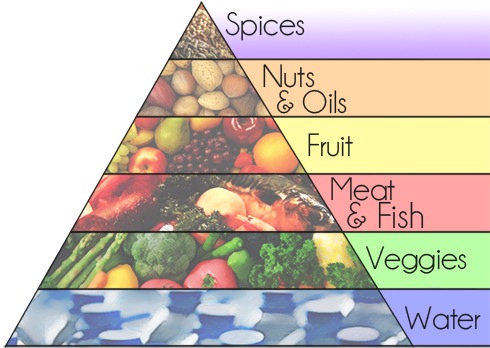
The Problem With Counting Calories
In American culture, we have become so focused on counting calories that we don’t pay any attention to what we are actually putting into our bodies. We’re all guilty of it. We see those yummy packaged cake rolls that say “50% fewer Calories” or that cereal bar with the “light” frosting, or only “100 calories”.…
-

Fat Myths
Everything you think you know about fats is probably wrong… so forget what you thought you knew! For so long we’ve been told that fats are bad, that they cause heart disease, and that they make us fat. In reality, most fats are good for you, decrease your risk of heart disease and will help…
-
Is Sitting the New Smoking?
Until just recently, if you exercised for at least 60 minutes a day, you were considered physically active. Now, new research suggests it is entirely possible to meet current physical activity guidelines while still being incredibly sedentary. Furthermore, that simply the act of excessive sitting increases your risk of disease and even death, even with…